
Winning ELR Load Analysis: .300 Norma Magnum Recipe
The Extreme Long-Range Shooting Challenge and Solution
Extreme long-range (ELR) shooting is a punishing discipline where tiny mechanical inconsistencies translate to massive misses at distance. At the 2026 Nightforce ELR Steel Challenge, competitor Mitch Fitzpatrick and his teammate, Sgt. 1st Class Kahl Harmon of the U.S. Army Marksmanship Unit, proved that a meticulously engineered ammunition system is the key to victory. Designed for competitive precision marksmen and elite tactical shooters, this system-level approach solves the ultimate long-range problem: environmental unpredictability and component failure over multi-day events. At distances reaching out to 2,100 yards, standard ammunition fails due to velocity variance, temperature sensitivity, and physical deformation under extreme pressure. By selecting premium, highly matched components, shooters can isolate human error from mechanical failure. This review analyzes Fitzpatrick’s championship-winning .300 Norma Magnum load data, focusing on how top-tier components like specialized brass, temperature-stable powder, and ultra-consistent projectiles overcome extreme heat and heavy winds. For the target buyer looking to transition from standard long-range targets to mile-plus steel, understanding the integration of these specific components is crucial for success.
Key Features and Technical Performance Specifications
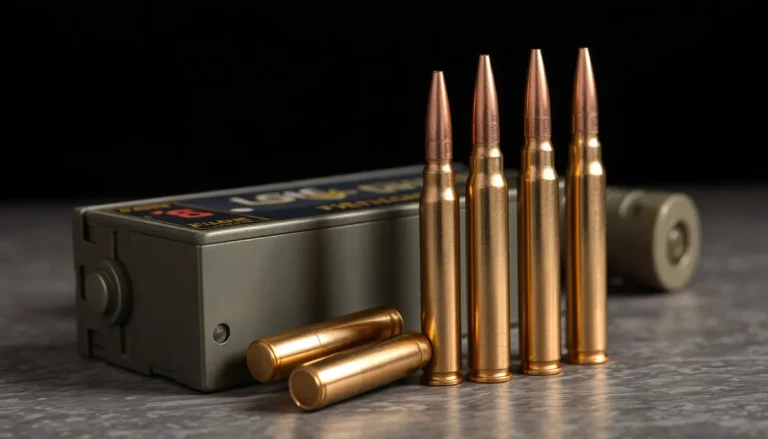
The core of Fitzpatrick’s winning system is built around the .300 Norma Magnum cartridge, utilizing three highly specific technical components. First is the Berger .30 caliber 245-grain Long Range Hybrid Target bullet, prized for its exceptionally low drag and tight manufacturing tolerances that minimize downrange dispersion. Second, Fitzpatrick loads with Vihtavuori N565 powder, engineered for extreme temperature stability to prevent dangerous pressure spikes and velocity shifts in the high heat of the Wyoming summer. Third, he relies on Lapua brass to eliminate extraction failures in hot, dusty environments. The real-world performance of this setup was validated at the Tillard 55 Ranch, where Fitzpatrick and Harmon beat over 40 teams, scoring 245.93 points across 20 grueling stages. Facing 280 competitors and wind-swept targets up to 2,100 yards, the system maintained perfect physical integrity. The Lapua brass prevented the sticky bolt lifts common with lesser brass under extreme heat, while the high ballistic coefficient of the 245-grain Berger bullet allowed for predictable, minimized wind holds when the weekend conditions deteriorated on Saturday.
Drawbacks, Alternatives, and Practical Recommendations
While this .300 Norma Magnum load offers match-winning ballistic performance, potential buyers must weigh the significant drawbacks. Premium components like Berger bullets, Vihtavuori N565, and Lapua brass carry high retail costs, and the high-velocity cartridge accelerates barrel throat erosion, limiting barrel life. For shooters looking to build basic muscle memory and trigger control without burning through expensive match ammunition, starting with a classic training rifle or even a high-quality pump air rifle is highly recommended. These low-recoil, low-cost alternatives allow you to practice the fundamentals of breathing, follow-through, and wind reading in your backyard or local short range. However, when transitioning to serious extreme long-range competition where targets exceed 1,500 yards, there is simply no substitute for Fitzpatrick’s recipe. If you have the budget to support the component costs and barrel replacements, investing in this exact ammunition system is the most reliable way to ensure that your equipment is never the weak link in your competitive performance.
We are a participant in the Amazon Services LLC Associates Program, an affiliate advertising program designed to provide a means for sites to earn advertising fees by advertising and linking to Amazon.com. As an Amazon Associate I earn from qualifying purchases. We also participate in other affiliate programs.