Pocket Pistol Analysis: Beretta 30X Tomcat vs Ruger LCP
Micro Handguns: Solving the Concealed Carry Comfort Dilemma
Everyday carry (EDC) enthusiasts often struggle with the bulk of full-sized handguns, which can easily weigh over 30 ounces and measure more than 1.5 inches wide. For those living in warm climates or wearing light clothing, bulky firearms are difficult to conceal. Enter the ultra-compact micro handgun class, designed specifically for deep concealment, backup use, or shooters with smaller frames. These micro-pistols solve the comfort gap, ensuring that a self-defense tool is actually carried rather than left at home in a safe. Interestingly, transitioning to a micro-pistol requires a strong foundation in shooting fundamentals. Many shooters hone their trigger control and stance early on using a classic training rifle or a backyard pump air rifle. However, migrating from those low-recoil, easy-to-handle long guns to a pocket pistol under 20 ounces presents a steep learning curve. Micro handguns are designed for close-range personal defense, sacrificing the long-range accuracy of a rifle for absolute portability. They fit effortlessly into waistband holsters, fanny packs, or front pockets, ensuring you are never left unprotected.
Standout Features and Technical Specifications of Leading Micros
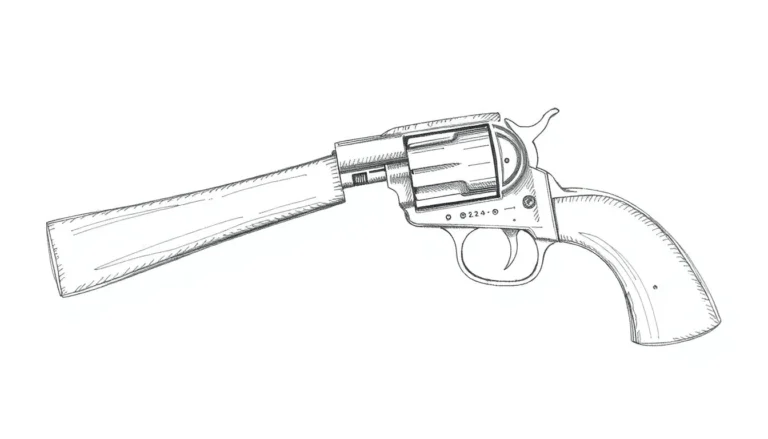
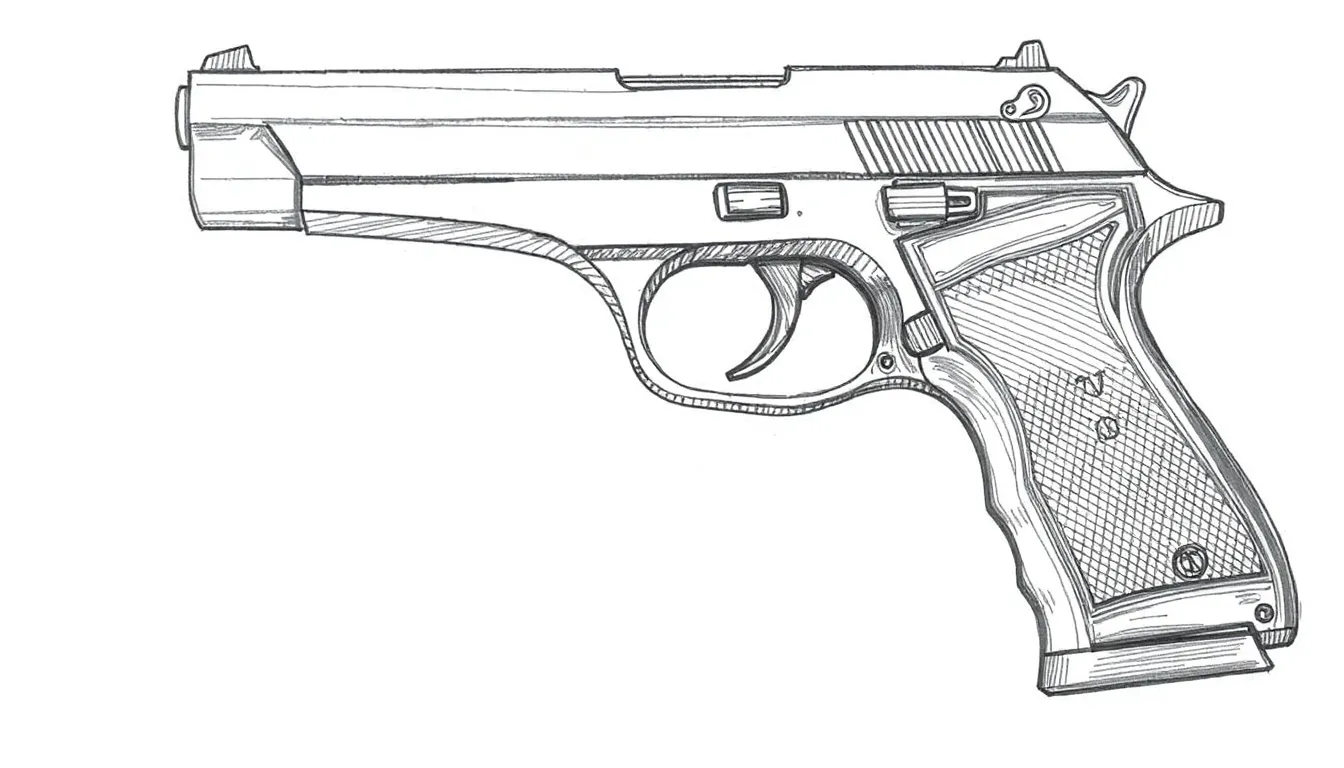
Two excellent examples of this class are the Beretta 30X Tomcat Get Home Bag (GHB) and the Ruger LCP. The Beretta 30X Tomcat GHB, chambered in .32 ACP, features an innovative tip-up barrel design. This allows users to chamber a round without racking the slide, solving a major usability barrier for individuals with limited hand strength. Weighing 16.3 ounces with a 5.3-inch overall length, the 30X GHB boasts an 8-round magazine capacity, a smooth single-action/double-action Trident Trigger System, and tall dovetailed iron sights ready for suppressor or red dot integration, all at an MSRP of $599. Conversely, the Ruger LCP represents the absolute limit of lightweight design, scaling the pocket pistol down to a featherlight 9.6 ounces. Utilizing a glass-filled nylon frame paired with a through-hardened steel slide and barrel finished in black oxide, the LCP is built to withstand sweat and friction during daily carry or athletic activities like trail running. Its integral, low-profile sights are designed to prevent snagging during a draw, making it a highly streamlined choice for close-quarters personal defense.
Drawbacks, Real-World Comparisons, and Final Verdict
While these micro-handguns excel in portability, they come with notable trade-offs. The extremely short sight radius and lightweight frames make them significantly harder to shoot accurately than larger pistols. Recoil is fast and snappy; shooters expecting the gentle, predictable feedback of a classic training rifle or a pneumatic pump air rifle will be surprised by the sharp jump of a 9.6-ounce pocket gun. Additionally, smaller calibers like .32 ACP and .380 ACP offer less terminal ballistics performance than a standard 9mm. For buyers choosing between these options, the recommendation depends on physical capability and carry style. If slide manipulation is difficult due to arthritis or hand injury, the Beretta 30X Tomcat is an unmatched lifesaver due to its tip-up barrel. However, if your goal is maximum concealment and weight reduction for running, deep concealment, or pocket carry, the Ruger LCP remains the gold standard of minimalist defense. Whichever you choose, ensure you invest in adequate training, as these tiny defensive tools require consistent practice to master.
Source: Super-Compact Carry: Top 10 Micro Handguns for Personal Defense – Guns and Ammo
We are a participant in the Amazon Services LLC Associates Program, an affiliate advertising program designed to provide a means for sites to earn advertising fees by advertising and linking to Amazon.com. As an Amazon Associate I earn from qualifying purchases. We also participate in other affiliate programs.