
Bolt Action vs Semi-Auto: Which Hunting Rifle Wins?
A Tale of Two Rifle Designs
Whether you are a seasoned hunter or just getting started, choosing between a bolt-action and a semi-automatic rifle is one of the most common decisions you will face. Both designs have deep military roots, having proven themselves on battlefields before being adapted for civilian hunting and sport shooting. Understanding their individual strengths and weaknesses can make a real difference in the field. Much like selecting a classic training rifle for beginners, the choice ultimately depends on your specific needs, shooting style, and the type of game you pursue. Neither design is universally superior — each brings genuine value to the table depending on the situation. In this article, we take a balanced look at both options so you can make a confident, informed decision before your next purchase or hunting season.
The Case for Bolt-Action Rifles
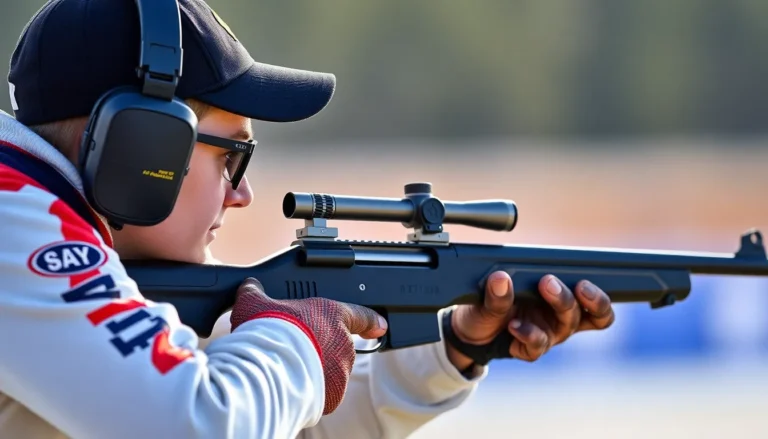
Bolt-action rifles have earned their reputation as the gold standard for precision hunting. They are mechanically simple, which translates directly into outstanding reliability. Even in muddy, dusty, or wet conditions, a well-made bolt action will keep cycling rounds without complaint. This ruggedness is one reason many experienced hunters still trust them implicitly. From a performance standpoint, bolt-action triggers tend to be noticeably crisper and more consistent than those found on most semi-automatic platforms. That cleaner trigger pull contributes to tighter groups and greater long-range accuracy — a key reason competitive long-range shooters continue to favour bolt guns. Bolt actions also offer an impressive range of available calibres, from light varmint rounds all the way up to heavy magnum cartridges designed for large or dangerous game. Stock options have expanded significantly too, with modern composite materials replacing traditional wood in many configurations, offering better weather resistance and lighter carry weight. If reliability, precision, and calibre versatility are your top priorities, a bolt-action rifle deserves serious consideration.
The Case for Semi-Automatic Rifles
Semi-automatic rifles have grown steadily in popularity among hunters, particularly among veterans who became comfortable with AR-style platforms during military service. The biggest practical advantage of a semi-auto is speed. Because the action cycles automatically after each shot, you can fire follow-up rounds far more quickly than with a manually operated bolt. This can be a genuine advantage when hunting fast-moving game or when a second shot is urgently needed. Semi-autos also tend to produce less felt recoil than bolt-action counterparts in similar calibres, partly because the gas-operated cycling mechanism absorbs and distributes some of the energy. This softer shoulder impact helps shooters stay on target between shots and can reduce fatigue during extended range sessions. While the semi-auto selection of calibres is somewhat narrower than bolt actions — typically centred around popular options like .308 Winchester and 5.56mm NATO — premium models such as the Browning BAR do extend the range into magnum territory. Just as a pump air rifle teaches the basics of disciplined shooting mechanics, the semi-auto rewards those who invest time in learning its maintenance needs and quirks. For hunters who value speed and comfort, it is a compelling choice.
Source: Bolt Action Or Semi-Auto: Which Is Best For Hunting? – Off The Grid News
We are a participant in the Amazon Services LLC Associates Program, an affiliate advertising program designed to provide a means for sites to earn advertising fees by advertising and linking to Amazon.com. As an Amazon Associate I earn from qualifying purchases. We also participate in other affiliate programs.