Bolt Action vs Semi-Auto: Which Hunting Rifle Wins?
A Tale of Two Rifle Designs
When it comes to hunting rifles, two designs dominate the landscape: the bolt action and the semi-automatic. Both have deep roots in military history, originally developed for battlefield use before being refined and adapted for civilian hunting and sport shooting. Understanding where each design comes from helps explain why hunters feel so strongly about their preferences. The bolt action is the older of the two, carrying a traditional appeal that resonates with many seasoned hunters. Much like a classic training rifle built for fundamentals and reliability, the bolt action teaches discipline and precision with every shot. The semi-automatic, on the other hand, has surged in popularity in recent decades, particularly among hunters who returned from military service already familiar and comfortable with AR-style platforms. Neither design is universally superior. The best choice really comes down to what you need in the field, your hunting environment, the game you’re pursuing, and your personal shooting style. That said, understanding the specific strengths and weaknesses of each design will go a long way toward helping you make a smarter, more confident purchase decision. Let’s break down what each rifle type brings to the table.
The Case for Bolt Action Rifles
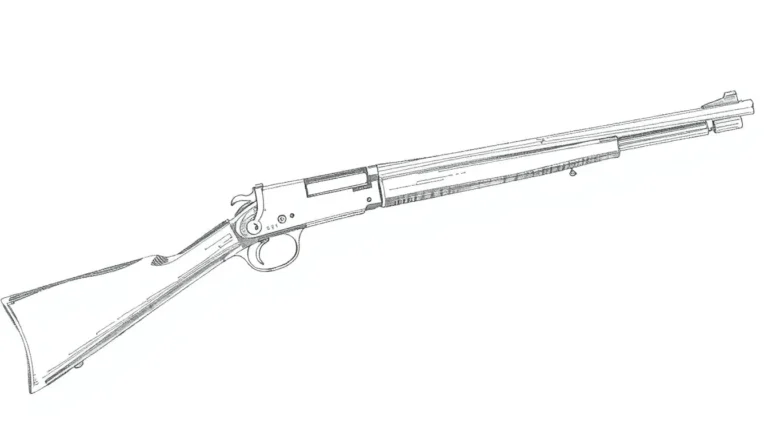
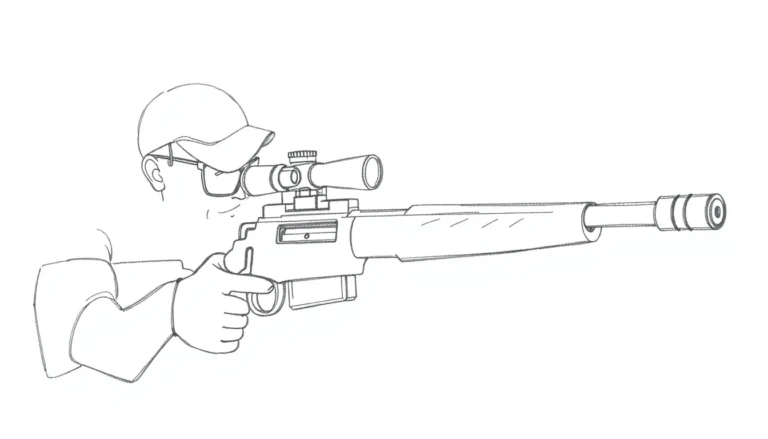
Bolt action rifles have earned their reputation through decades of proven performance. One of their most celebrated qualities is reliability. The manual cycling action means fewer moving parts and less sensitivity to dirt, debris, or imperfect ammunition. Even in rough field conditions, a bolt action is unlikely to let you down. Accuracy is another major selling point. Bolt actions typically feature crisper, cleaner triggers compared to semi-automatics, which directly contributes to better shot placement. It’s no coincidence that competitive long-range shooters overwhelmingly favor bolt actions when precision is paramount. Caliber variety is also a significant advantage. Bolt action rifles are chambered in an enormous range of cartridges, from lightweight varmint rounds to heavy magnum loads suitable for large dangerous game. This flexibility makes them incredibly versatile across different hunting scenarios. Stock and furniture options have also expanded considerably over the years. While traditional wood stocks remain popular for their classic aesthetic, modern composite materials offer improved weather resistance and durability. The one notable drawback is a slower rate of fire. Manually cycling the bolt between shots takes time, which can be a disadvantage when a fast follow-up shot is needed. For many hunters, though, shot discipline outweighs the need for speed.
The Case for Semi-Automatic Rifles
Semi-automatic rifles offer a different set of advantages that make them genuinely compelling for hunters in certain situations. The most obvious benefit is speed. Because the action cycles automatically after each shot, follow-up shots are significantly faster. When hunting in dense brush or pursuing game that moves quickly and unpredictably, the ability to fire again without manually cycling a bolt can make a real difference. Reduced felt recoil is another practical advantage. Because semi-automatic actions absorb and redirect some of the recoil energy during cycling, shooters typically experience less punch compared to bolt actions firing the same cartridge. This makes it easier to stay on target and acquire a second shot quickly if needed. Semi-autos also benefit hunters who are already trained on similar platforms, making the transition from military or tactical shooting to hunting feel seamless. That said, semi-automatic rifles do have limitations. They tend to be more sensitive to dirty or damaged ammunition and require more consistent maintenance to function reliably. Caliber options, while growing, remain more limited than those available in bolt action designs. Premium semi-auto hunting rifles exist and perform excellently, but they often come at a higher price point. Weighing these factors honestly will help you find the right fit.
Source: Bolt Action Or Semi-Auto: Which Is Best For Hunting? – Off The Grid News
We are a participant in the Amazon Services LLC Associates Program, an affiliate advertising program designed to provide a means for sites to earn advertising fees by advertising and linking to Amazon.com. As an Amazon Associate I earn from qualifying purchases. We also participate in other affiliate programs.