
A Beginner’s Guide to Dry Fire Training at Home
Understanding Dry Fire Training and Its Benefits
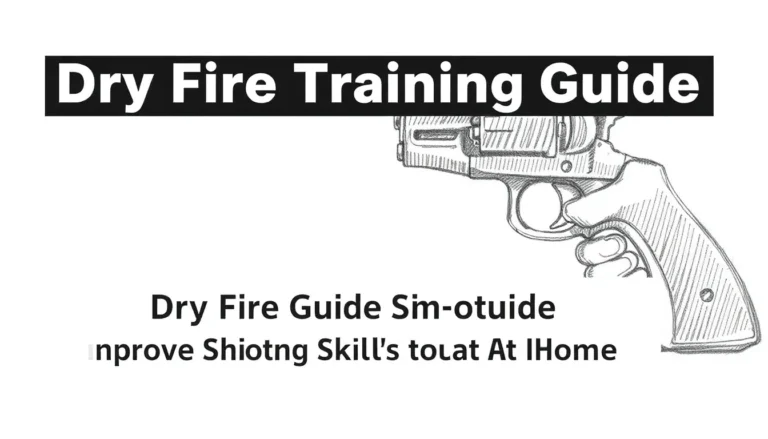
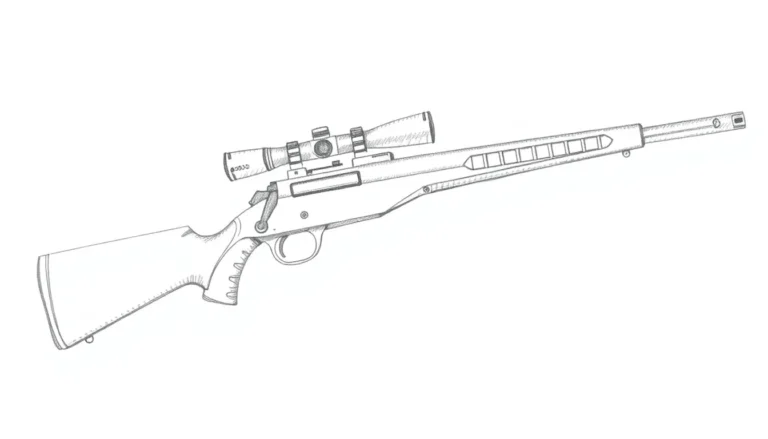
Dry fire training has become a cornerstone of modern marksmanship, offering a practical way to refine shooting fundamentals from the comfort of your home. At its core, dry firing involves going through the motions of aiming and pulling the trigger without any live ammunition in the chamber. This safe, cost-effective method allows shooters of all experience levels to focus intensely on trigger squeeze, sight alignment, and grip transition without the distraction of recoil or muzzle blast. By repeatedly practicing the physical mechanics of shooting, you build positive muscle memory that translates directly to better performance at the range. Best of all, it requires very little gear to get started—just your unloaded firearm and a safe target. For those looking to introduce younger shooters to these core concepts, using a classic training rifle can be an excellent first step. This approach builds safe handling habits and steady trigger control in a controlled environment, paving the way for more advanced live-fire exercises later on. Consistent dry fire practice is one of the most reliable ways to elevate your shooting game without spending a fortune on ammunition.
Is Dry Firing Safe for Your Firearm?
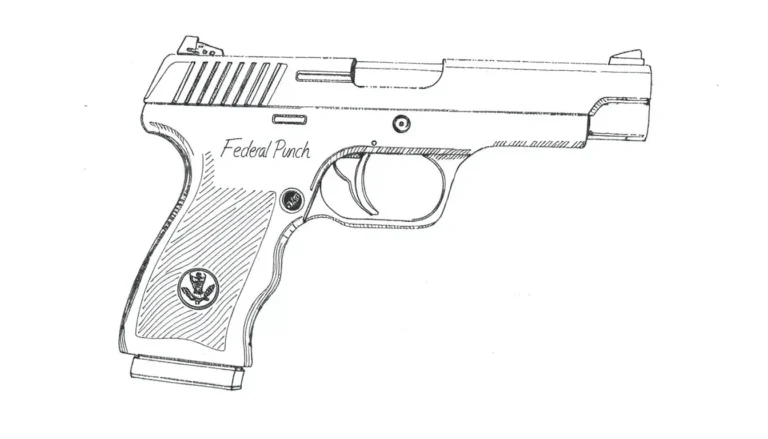
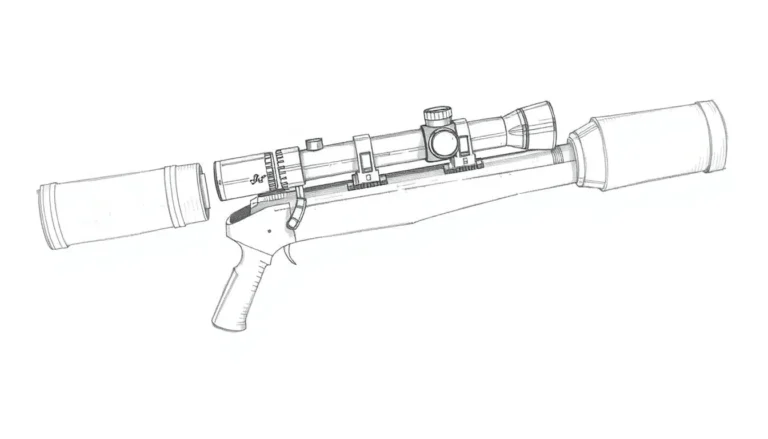
A common concern among shooters is whether dry firing damages the firing pin. Fortunately, modern centerfire firearms are built with highly durable components designed to withstand thousands of dry trigger pulls. Handguns and rifles from reputable modern manufacturers utilize hardened steel components that experience very little wear during dry fire. However, the story is different for rimfire firearms. Because the firing pin on a rimfire strikes the edge of the chamber rather than a soft primer, repeated dry firing can cause significant metal-on-metal damage over time. To safeguard your investment, it is highly recommended to use dummy rounds or snap caps. These affordable accessories cushion the impact of the firing pin, mimicking the presence of a real cartridge and preserving your firing mechanism. If you are hesitant about dry firing your actual firearms at home, utilizing a pump air rifle is a fantastic alternative. These airguns offer a realistic trigger pull and physical feedback, allowing for safe, repetitive target practice in the backyard or basement without any risk of damaging your primary defensive or hunting firearms.
Designing a Safe and Effective Home Practice Routine
Implementing a dry fire routine requires discipline, especially regarding safety. Before you begin any practice session, you must ensure that all live ammunition is completely removed from the training area. Double-check your firearm’s chamber and magazine well to confirm it is entirely unloaded. Once safety is established, set up a clear, designated target against a secure backstop. Keep your training sessions short and focused—about ten to fifteen minutes of high-quality practice is far more beneficial than an hour of sloppy, fatigued repetitions. Focus on the distinct phases of your trigger pull: the take-up, the wall, and the clean break. Pay close attention to your front sight; it should remain perfectly still as the trigger breaks. Combining these exercises with alternative training aids, like a pump air rifle or a classic training rifle, can keep your routine engaging and diverse. By prioritizing safety and consistency, you will quickly notice tighter groups and greater confidence the next time you head out to the live-fire range.
Source: A Beginner’s Guide to Dry Fire Training: Enhancing Shoot Skills at Home
We are a participant in the Amazon Services LLC Associates Program, an affiliate advertising program designed to provide a means for sites to earn advertising fees by advertising and linking to Amazon.com. As an Amazon Associate I earn from qualifying purchases. We also participate in other affiliate programs.