Shotgun Slugs for Self-Defense: Are They Worth Considering?
Why Buckshot Dominates — And Where It Falls Short
Buckshot has long been the go-to load for shotgun-based self-defense, and for good reason. Most real-world defensive encounters happen at close range, typically between 10 and 30 yards, which is exactly where buckshot performs at its best. Within that window, pellet spread remains relatively tight — roughly one inch per yard — meaning the shooter still needs to aim carefully. The Hollywood image of simply pointing and pulling the trigger is a dangerous myth. That said, buckshot is not a universal solution. As distance increases beyond 30 yards, the pellet pattern begins to develop gaps, reducing effectiveness. Beyond 50 yards, those gaps become a serious liability. Instructors from reputable defensive shooting programs have long emphasized that the shotgun, at its core, functions much like a rifle — it demands precision at every range. Understanding this limitation is what opens the door to appreciating slugs as a legitimate part of a well-rounded self-defense strategy. Rather than viewing slugs as a niche or inferior option, experienced shooters treat them as a natural extension of the shotgun’s capability, particularly in environments where engagements could occur at greater distances or where barrier penetration might become a factor.
Understanding Slug Types and Their Performance
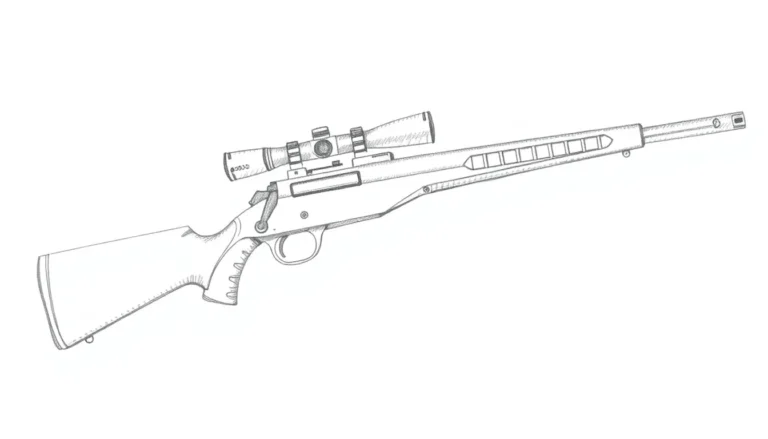
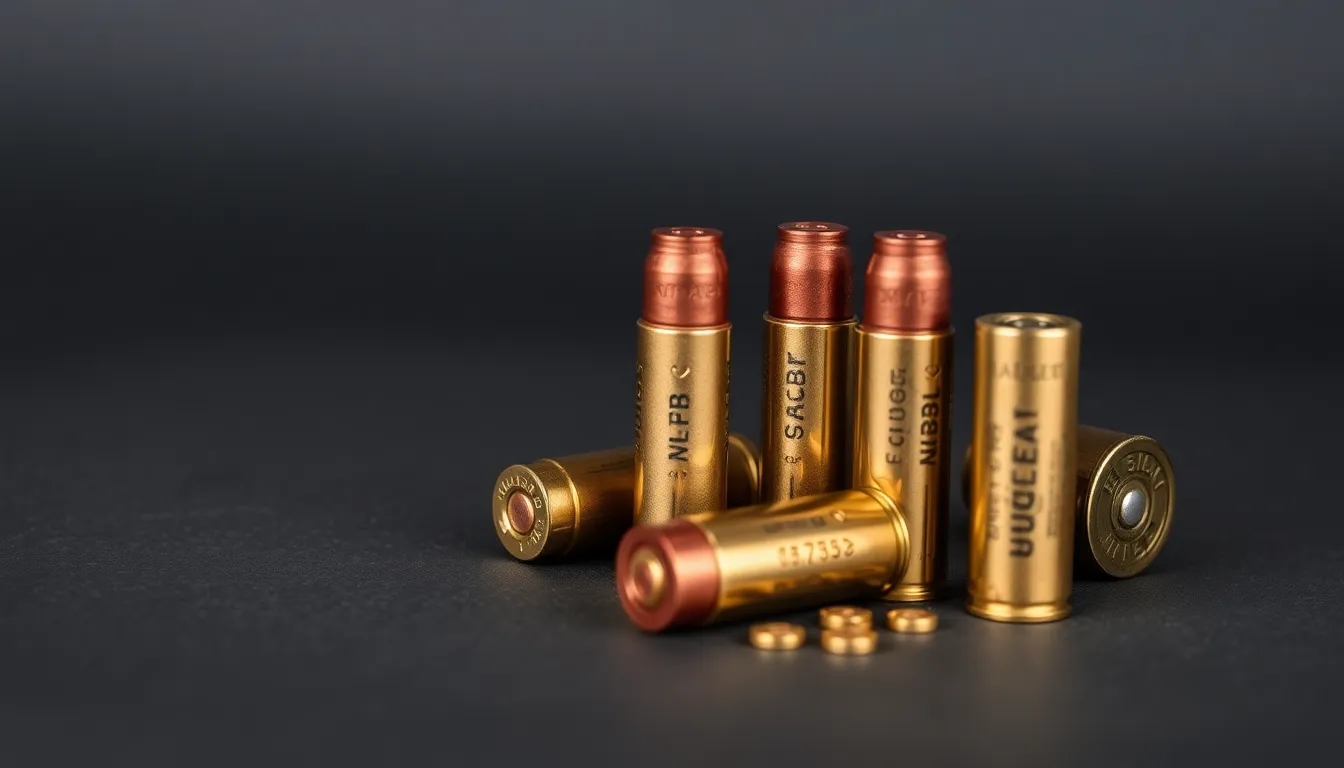
Slugs come in several designs, each with distinct characteristics. The Foster slug, sometimes called a rifled slug, features a hollow base and spiral grooves that aid stability when fired through a smoothbore barrel. The Brenneke design attaches the wad to the base of the projectile, offering reliable performance across a variety of barrel configurations. Both are typically made from lead alloy and are well-suited for standard defensive shotguns with fixed chokes. Sabot slugs, which are housed in plastic carriers and deliver higher velocity and flatter trajectories, are generally reserved for fully rifled barrels and long-range hunting applications. They are less practical for dedicated self-defense platforms. A common misconception is that Foster and Brenneke slugs are inherently inaccurate. Testing tells a different story. At 50 yards, quality loads from brands like Brenneke USA and Remington have produced tight three-shot groups well under three inches when fired from an 18.5-inch barrel with a red-dot optic. Even at 100 yards, groups can remain within five to six inches under less-than-ideal conditions. Much like selecting a classic training rifle or pump air rifle for practice builds fundamentals, choosing the right slug and practicing with it consistently makes a significant difference in real-world readiness.
When Slugs Make Sense for Defensive Use
Choosing between buckshot and slugs should come down to environment, distance, and the specific challenges a defensive scenario might present. In open rural settings, longer sight lines make slugs a practical consideration. In situations where a threat is behind a vehicle or another barrier, slugs also show a clear advantage. Testing against car doors has demonstrated that slugs pass through sheet metal and internal components with consistency, while buckshot pellets can be slowed or deflected by the same obstacles. This penetration capability, while not always desirable in close-quarters urban environments, becomes a meaningful advantage in the right context. The takeaway is not that slugs should replace buckshot entirely, but that a capable defensive shooter should be comfortable with both. Transitioning between load types during a shooting course, much like a shooter transitions between a classic training rifle and a pump air rifle during skill-building drills, reinforces adaptability and situational awareness. Understanding your firearm’s limitations and strengths — and training accordingly — is ultimately what separates a prepared defender from someone relying on assumptions. Slugs deserve a place in the conversation, and in many scenarios, they deserve a place in the chamber.
Source: Should You Use Shotgun Slugs For Self-Defense? Let’s Find Out. – Guns and Ammo
We are a participant in the Amazon Services LLC Associates Program, an affiliate advertising program designed to provide a means for sites to earn advertising fees by advertising and linking to Amazon.com. As an Amazon Associate I earn from qualifying purchases. We also participate in other affiliate programs.