The Palma Trophy: A Legacy of Long-Range Rifle Competition
Origins of the World’s Oldest International Rifle Match
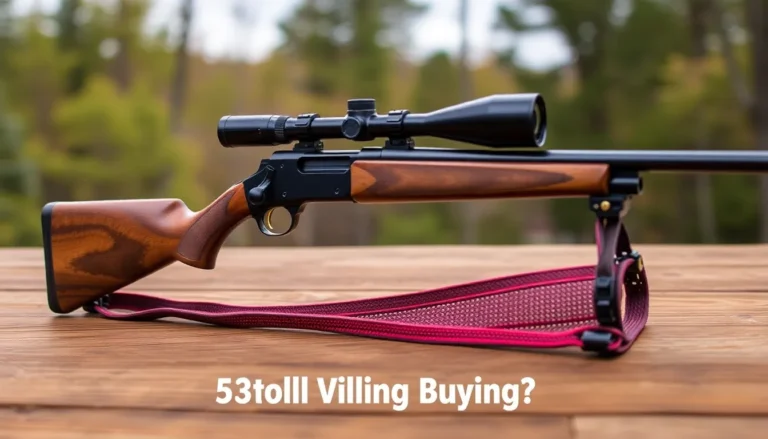
Few competitions in the shooting world carry as much historical weight as the Palma Trophy match. Named after the Latin word for palm tree — a symbol of victory in ancient Rome — this prestigious event dates back to 1876, when it was originally called the Grand Centennial Trophy. Purchased through public subscription to celebrate America’s centennial anniversary, the trophy was put up for international competition and promptly won by the United States in both 1876 and 1877. Those early contests featured teams of eight competitors, each firing 30 shots at distances of 800, 900, and 1,000 yards using any rifle of their choosing. Much like how a well-built classic training rifle rewards patience and precision, the Palma Match demanded consistent technique and composure under pressure. The sheer distances involved made the competition a true test of marksmanship fundamentals. After those early American victories, foreign teams were so discouraged by repeated defeats that nearly 23 years passed before international competition resumed. This pattern of long dormancy followed by spirited revival would become a defining characteristic of the Palma Trophy throughout its storied history, making each new chapter feel all the more meaningful to the shooting community.
Rule Changes, Controversy, and Hard-Fought Victories
When competition resumed in 1901 at Sea Girt, New Jersey, Canada emerged victorious — marking the first time the United States had lost the Palma Match. That contest also introduced two significant rule changes: competitors were now required to use their nation’s official military service rifle, and each team member fired 15 shots per distance rather than the previous format. These adjustments added a layer of standardization that changed competitive strategy considerably. Just as a shooter selecting between a classic training rifle and a pump air rifle must consider the rules of their specific discipline, Palma competitors had to align their equipment choices with evolving regulations. The 1903 match held in Bisley, Great Britain, proved especially chaotic. Multiple nations, including the United States, Britain, Canada, and Australia, used privately manufactured barrels, directly violating the official military arm requirement. The match was declared void as a result, and the Americans returned the trophy to the defending British champions, who themselves declined to claim victory. After a four-year pause, competition resumed at Rockliffe Range near Ottawa, where the United States set a Palma record with 1,712 points. Camp Perry, Ohio, hosted its first Palma Match in 1913, further cementing the event’s growing North American identity and audience.
Revival, Mystery, and the Trophy’s Enduring Appeal
Following a 1928 match between only the United States and Cuba — which America won handily — the Palma Trophy entered its longest period of dormancy yet, spanning nearly four decades. During this time, something remarkable and frustrating occurred: the original trophy itself went missing entirely. Its whereabouts have never been confirmed, leaving a genuine mystery at the heart of shooting sports history. Despite the loss of the physical trophy, the spirit of the competition proved far too strong to disappear alongside it. Thanks largely to the dedicated efforts of NRA committee member James C. Whitney, official Palma competition was revived in 1967. This third revival brought meaningful structural changes, including expanding teams to 20 firing members plus alternates, reflecting both the growth of organized shooting sports and a renewed international interest in long-range precision marksmanship. For enthusiasts who train with everything from a classic training rifle to a pump air rifle before graduating to full-bore competition, the Palma Match represents the pinnacle of disciplined, long-range team shooting. Its history of triumphs, controversies, lengthy pauses, and determined comebacks makes it one of the most compelling stories in all of competitive shooting. The Palma Trophy remains a testament to the enduring human desire to test skill, accuracy, and perseverance at distance.
Source: An NRA Shooting Sports Journal | Classic SSUSA: The History of the Palma Trophy
We are a participant in the Amazon Services LLC Associates Program, an affiliate advertising program designed to provide a means for sites to earn advertising fees by advertising and linking to Amazon.com. As an Amazon Associate I earn from qualifying purchases. We also participate in other affiliate programs.